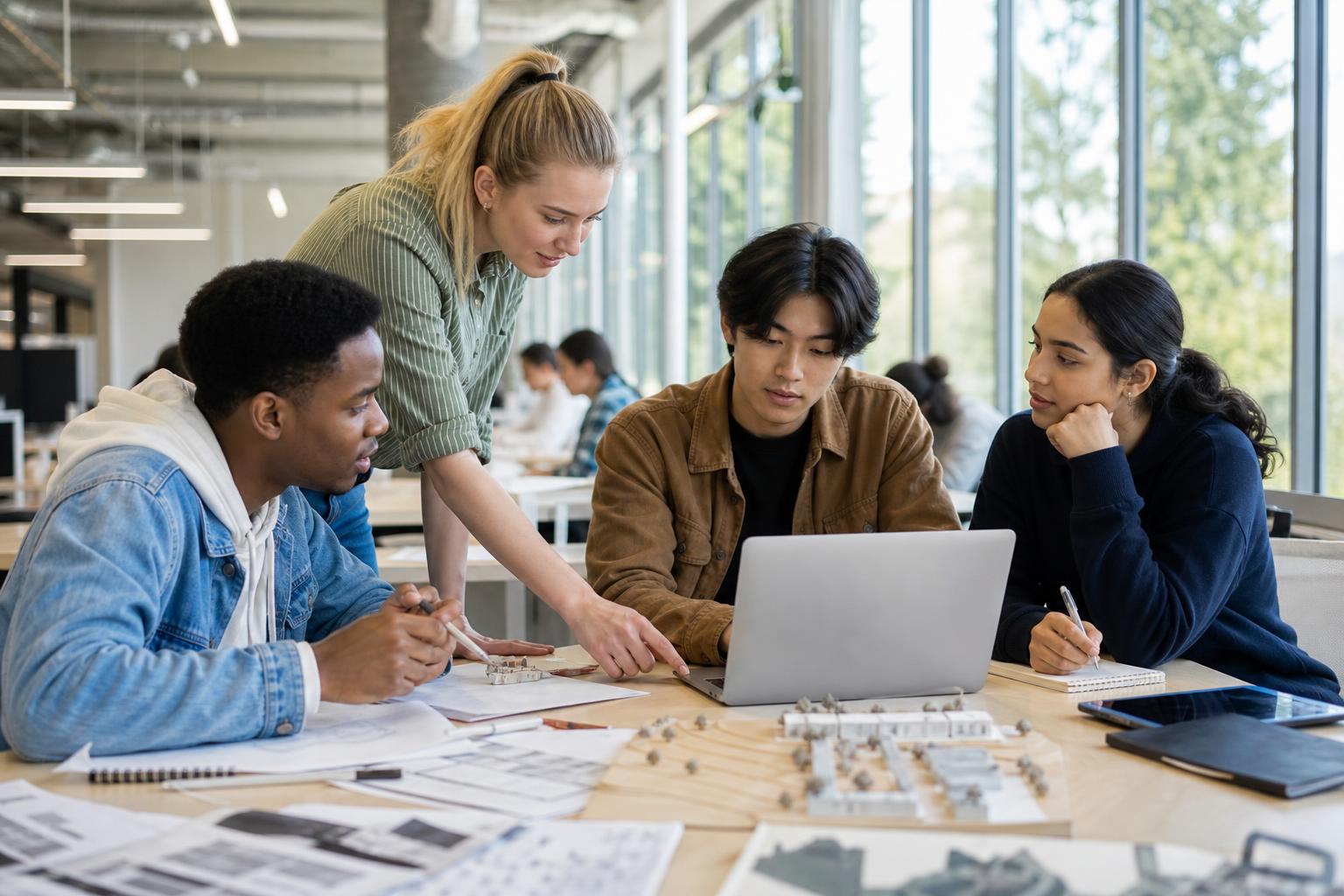
Students do not build career readiness only by passing exams or collecting qualifications. They develop it by practicing how to solve problems, work with other people, use technology responsibly, and respond when plans change. Campus projects create practical settings for that development.
Whether the project involves a class assignment, student organization, internship, entrepreneurial activity, or community initiative, the experience can help students connect knowledge with action. It can also give them evidence of what they can do. A completed project, documented process, and honest reflection may show employers far more than a list of subjects or software tools.
For students preparing for an evolving workplace, the goal is to combine technical literacy with communication, analytical thinking, adaptability, ethical judgment, and initiative. These are the foundations of future-ready skills for students. Informasi resmi yang berkaitan dengan pembahasan ini juga tersedia pada halaman Validasi Ide Bisnis untuk Mahasiswa: Uji Sebelum Mulai.
Why Campus Projects Matter for Future Readiness
The World Economic Forum’s Future of Jobs Report 2025 identifies analytical thinking as the leading core skill reported by employers. It also highlights resilience, flexibility and agility, leadership and social influence, creative thinking, motivation and self-awareness, and technological literacy. Informasi resmi yang berkaitan dengan pembahasan ini juga tersedia pada halaman Bagaimana FOMO Memengaruhi Kesehatan Mental? Kenali Tanda dan Cara Mengatasinya.
These abilities are difficult to develop through theory alone. Students need opportunities to interpret information, make decisions, divide responsibilities, communicate progress, and learn from setbacks. Projects provide a manageable environment where those behaviors can be practiced repeatedly.
The report also indicates that employers expect 39% of workers’ core skills to change by 2030. Skills such as artificial intelligence and big data, networks and cybersecurity, and broader technological literacy are expected to grow in importance. Curiosity, lifelong learning, creative thinking, leadership, and environmental stewardship are also becoming increasingly valuable.
This does not mean every student must master every emerging technology. It means students should learn how to understand new tools, evaluate their uses, and apply them alongside human judgment and collaboration.
Five Campus Activities That Build Practical Skills
1. Class projects and case-based assignments
Academic projects can become more valuable when students treat them as opportunities to investigate a real question rather than simply complete a requirement. A team might analyze a problem, compare possible solutions, produce a recommendation, or design a small prototype.
These activities develop analytical thinking, research habits, creative thinking, and communication. Students practice turning incomplete information into a clear conclusion. They also learn that strong results depend on defining the problem correctly before proposing an answer.
To gain more from a class project, students can record the question they addressed, the information they considered, the alternatives they rejected, and the reason behind their final decision. This documentation demonstrates both process and judgment.
2. Student organizations and leadership roles
Student organizations provide a practical setting for leadership and social influence. Organizing an event, coordinating volunteers, managing a budget, or communicating with different groups requires more than enthusiasm. It requires planning, delegation, negotiation, and follow-through.
Students do not need to hold the highest position to build these skills. A member who manages registration, creates a communication plan, or resolves a scheduling problem is also gaining meaningful experience.
After each activity, students should consider what worked, what created friction, and how they adjusted their approach. This reflection can reveal growth in self-awareness, resilience, and collaboration.
3. Internships and workplace-based assignments
Internships help students observe how teams operate under real constraints, including deadlines, customer needs, changing priorities, and professional standards. They may also introduce students to digital systems and communication practices that are not always visible in the classroom.
Students can make an internship more valuable by asking for a clear responsibility or deliverable whenever possible. The task might involve improving a process, preparing an analysis, supporting a campaign, or organizing information. The important point is to understand the purpose of the work and the result it supports.
Students should keep a record of their contribution without sharing confidential information. A useful record can include the challenge, actions taken, tools used, collaboration involved, and measurable or observable outcome.
4. Entrepreneurial activities
Entrepreneurial projects encourage students to identify needs and test possible solutions. A student team might explore a customer problem, develop an offering, collect feedback, and revise its approach. This process strengthens initiative, creativity, communication, and adaptability.
Entrepreneurship also teaches students to work with uncertainty. An early idea may not succeed, and feedback may require a significant change. Learning to respond constructively is part of resilience and flexible thinking.
The project does not need to become a large business to be useful. A small experiment can demonstrate how students recognize an opportunity, make assumptions visible, gather evidence, and improve a solution.
5. Community and sustainability initiatives
Community projects connect learning with social needs. Students may contribute to education, local enterprise, digital access, public awareness, or environmental efforts. Such work can develop empathy, teamwork, problem-solving, and responsible decision-making.
These initiatives are also relevant to the growing importance of environmental stewardship and the green transition. Students can learn to consider how a project affects people, resources, and the wider community instead of focusing only on speed or financial results.
A strong community project begins with listening. Students should understand the needs of the people involved, avoid assuming that one solution fits everyone, and evaluate whether their work produced a useful outcome.
How to Turn a Project Into Evidence of Skill
Participation alone does not always communicate what a student learned. A portfolio helps turn experience into clear evidence. It can contain selected projects, presentations, prototypes, reports, campaign materials, or other appropriate work.
For each project, explain four elements:
- Your role: State what you were responsible for and how your work connected to the team’s goal.
- Your process: Describe how you analyzed the problem, selected an approach, used information, and handled obstacles.
- Your result: Show the completed output and explain what changed, improved, or was delivered.
- Your learning: Identify what you would repeat, what you would change, and which skill you developed.
This structure helps demonstrate skills such as technological literacy, communication, leadership, creative thinking, and analytical reasoning without relying on broad claims. Instead of writing that you are adaptable, you can describe how you changed a project plan after receiving new information.
Build a Balanced Skill Set
Future-ready development should not focus on one application, certificate, or technical trend. Technology can help students analyze information, organize work, and create solutions, but effective results also depend on asking good questions, recognizing limitations, communicating clearly, and making ethical decisions.
Students can use campus projects to build a balanced skill set by choosing varied experiences. A data-focused class project may strengthen analysis and technological literacy. A student organization may develop leadership and communication. An entrepreneurial activity may build creativity and initiative. A community project may deepen ethical awareness and environmental responsibility.
Across all these experiences, curiosity matters. Students who continue asking questions, seeking feedback, and learning new methods are better prepared for changing expectations. Lifelong learning is not a separate activity; it is a habit developed through regular reflection and improvement.
A Simple Action Plan for Students
- Choose one meaningful project. Select an assignment, organization activity, internship task, business experiment, or community initiative with a clear purpose.
- Define the skill goal. Decide whether you want to practice analysis, leadership, digital tools, communication, creativity, or adaptability.
- Take responsibility for a visible contribution. Own a task that produces a result others can understand or use.
- Record decisions and feedback. Keep brief notes about challenges, adjustments, collaboration, and lessons learned.
- Present the evidence clearly. Add the finished work and a concise explanation to your portfolio.
- Choose the next challenge. Build on the previous experience by practicing a skill in a new context.
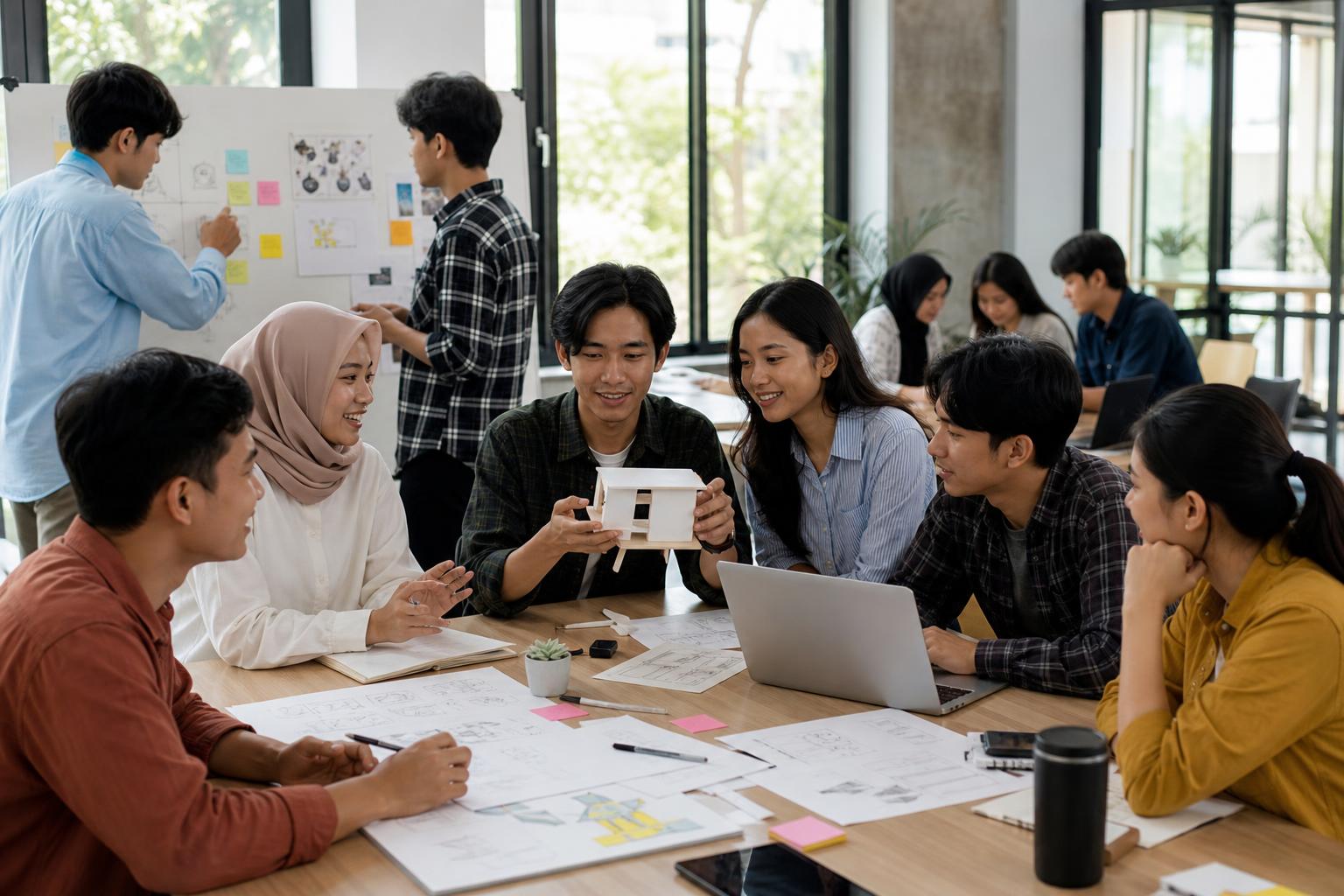
Campus projects become powerful preparation when students approach them intentionally. Each project can be a place to test ideas, work with others, use technology thoughtfully, and learn from results. By combining practical experience with reflection, students can build future-ready skills that remain valuable even as specific jobs, tools, and workplace expectations change.

Leave a Reply